Across the country, the way people think about housing is changing. Homeownership—once seen as the automatic “next big life step”—is no longer attainable or even desirable for many households.
According to FRED, the homeownership rate has gradually declined from nearly 70% to around 65% over the past two decades. Behind that shift are real, long-term forces shaping how people live, work and plan for the future.
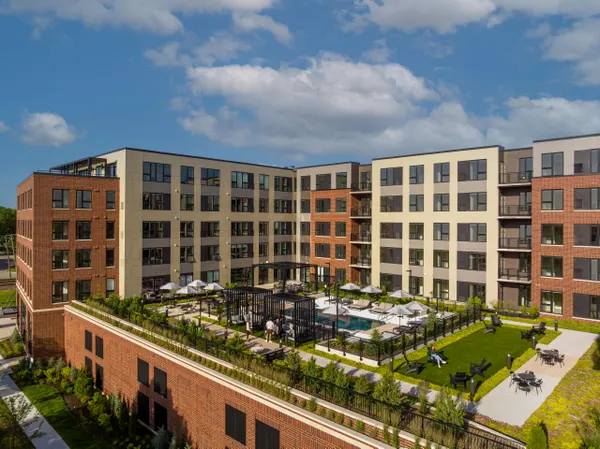
Rising ownership costs, greater lifestyle mobility and the evolution of multifamily housing are driving more people toward renting. At the same time, today’s rental communities continue to improve their value propositions through thoughtful design, strong amenities, professional management and a level of convenience that resonates with a broad mix of residents.
For investors, these trends point to a meaningful opportunity.
Demand for rental housing isn’t a short-term reaction; it’s part of a much larger movement in the U.S. housing landscape. Our Multifamily team sees these changes every day across markets.
Here are five key factors driving today’s rental demand and why they matter to evaluate the future—and the strong investment opportunities— of the sector.
1. Affordability Challenges Are Expanding the Renter Pool
Buying a home is more expensive than ever. Rising home prices, higher mortgage rates and increased property taxes and insurance costs have made ownership difficult for many households. Even those with the financial means increasingly appreciate that owning a house costs significantly more than renting in the same market.
As a result, more households are remaining renters out of necessity. This growing renter pool supports long-term multifamily demand across income levels and regions, offering investors a stable foundation even in fluctuating economic conditions.
2. Mobility and Flexibility Are Reshaping Consumer Preferences
People are more mobile than they were in the past. Hybrid work, career shifts and economic uncertainty have changed the way people think about long-term commitments. Many no longer see a 30-year mortgage (or even 50—year mortgage as has been contemplated) as practical or aligned with their goals.
Renting allows households to stay flexible, whether they’re changing jobs, moving cities or simply wanting more options. This preference for agility is especially strong among younger professionals but is becoming more common across age groups. For investors, this means sustained renter demand, even among people who could afford to buy.
3. Multifamily Housing Has Become a High-Quality, Institutional Product
The multifamily housing industry looks very different today than it did 15 or 20 years ago. What was once a fragmented “mom and pop” industry has evolved into a professional, institutional asset class with high-quality design, consistent operations and elevated resident experiences.
Our multifamily projects (for example, Vyne on Havenin Elmhurst, IL) can highlight how modern apartments now offer strong amenities, walkability, thoughtful unit layouts, and well-managed environments that people actively seek out. This evolution helps drive higher retention, stronger rent performance and long-term asset value—key considerations for investors.
4. Demand Is Increasing Among Both ‘Need To’ and ‘Choose To’ Renters
Today’s renter pool is growing from two directions:
- Households priced out of homeownership
- Households who could buy (but prefer to rent)
An important component of the ‘Choose To’ category are older adults are now one of the fastest-growing renter segments, increasingly choosing maintenance-free living and amenity access over the responsibilities of homeownership. According to the 2024 ACS, households age 65+ represent 17.4% of renter households, with those 75+ accounting for 7.7%. Younger generations, meanwhile, often prioritize experiences, flexibility and financial freedom.
In both cases, modern multifamily communities meet these evolving needs—offering convenience, connection, and high-quality living environments that make renting a compelling choice.
5. Demographics and Supply Constraints Will Support Demand for Years to Come
Key demographic trends continue to reinforce multifamily’s resilience. Lower marriage rates—strongly correlated with renting—and delayed marriage decisions mean more households are likely to remain renters for longer periods. The single-family housing supply also remains limited due to land constraints, lengthy entitlement processes, and higher development costs.
Thus, even buyers who want to purchase often face limited options. This supply-demand imbalance positions multifamily as a critical part of the U.S. housing mix and supports long-term demand for well-designed, well-located rental communities.
Why Investors Should Care
These forces—affordability, mobility, improved product quality, demographic shifts, and persistent supply constraints—aren’t cyclical. They represent structural changes in how Americans approach housing. For investors, that means:
- A broader, more stable renter base
- Stronger absorption across markets
- Reduced volatility relative to other asset classes
- Long-term demand driven by both economic and lifestyle factors
Multifamily continues to prove itself as a durable, resilient asset class with a growing role in meeting the country’s housing needs. As more households opt for flexibility, convenience, and well-designed rental living, the sector is well-positioned to offer meaningful and lasting opportunities.