In today’s competitive housing market, developing a new multifamily property is a significant investment. Every multifamily design decision made influences not only construction costs, but also long-term asset performance. Strategic design choices go beyond aesthetics—they shape the resident experience, strengthen a property’s market position and create lasting value for owners and investors.
What transforms a multifamily development into both a place residents want to call home and a high-performing asset? The answer lies in aligning thoughtful design, a cohesive brand identity and long-term operational planning. When a property’s online promise matches the experience residents have when they walk through the door, it creates value that extends well past project completion.
Here are three ways strategic design drives long-term returns for multifamily developments:
1. It Helps the Property Stand the Test of Time
Timeless, flexible design ensures long-term relevance, preserves value, creates a sense of place and appeals to multiple generations of residents.
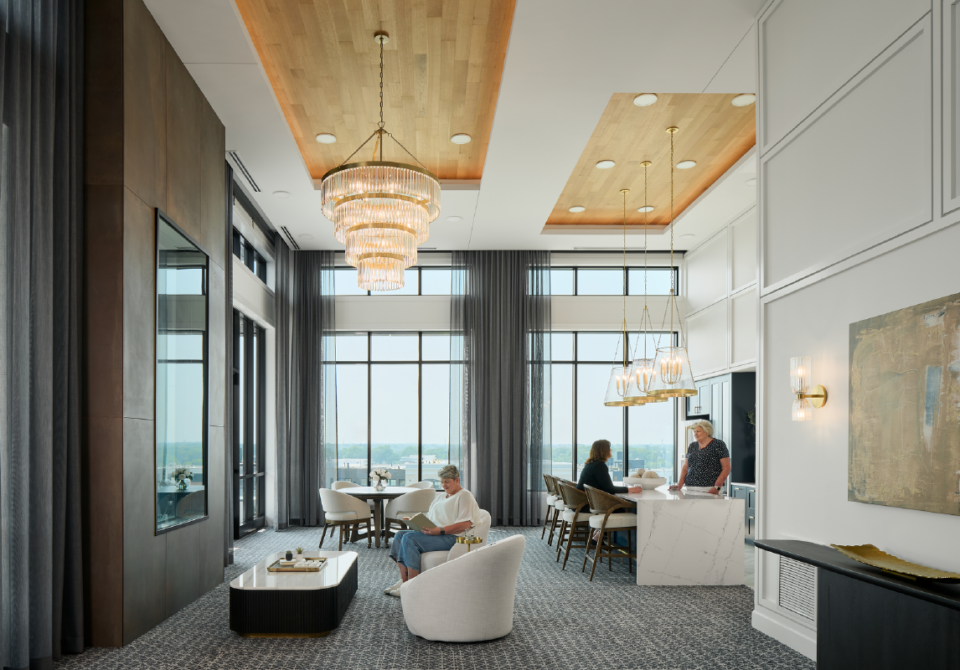
Features like generous ceiling heights, adaptable units and floor plans, a classic material palette, and expansive windows create an enduring, modern, and desirable living experience that ensures flexibility and minimizes the need for costly renovations in the future.
2. It Accelerates Lease-Up and Retains Stable Tenants
Creating a compelling story and fostering community with memorable spaces and amenities helps attract and retain a vibrant community of residents. When a property’s identity is clearly defined and consistently reflected throughout the resident experience, it creates stronger first impressions, differentiates the property in a competitive market and fosters long-term loyalty.
While the exact sequence can vary depending on the project, creating this unified experience relies on a collaborative, non-linear approach between design and branding:
- Define: Answering who is the target resident, and what will compel them to live here? This helps define the overall mood and ensures a cohesive journey from a resident’s first website click to the first key turn.
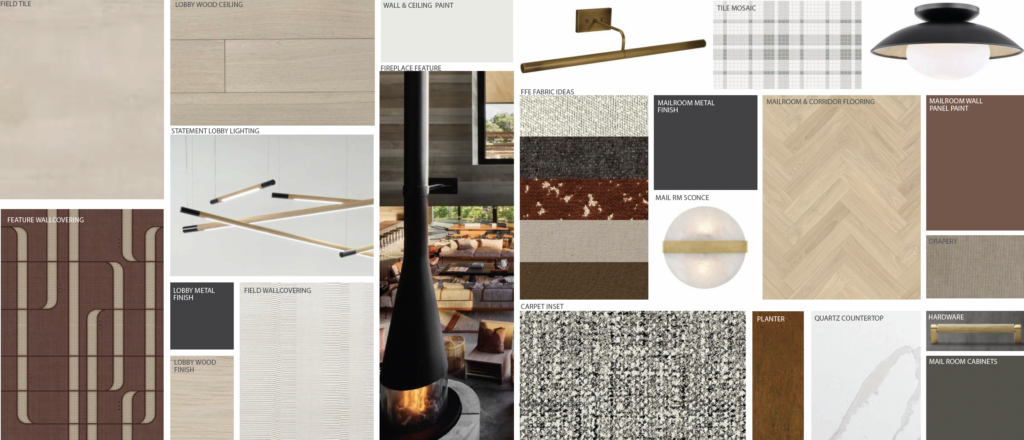
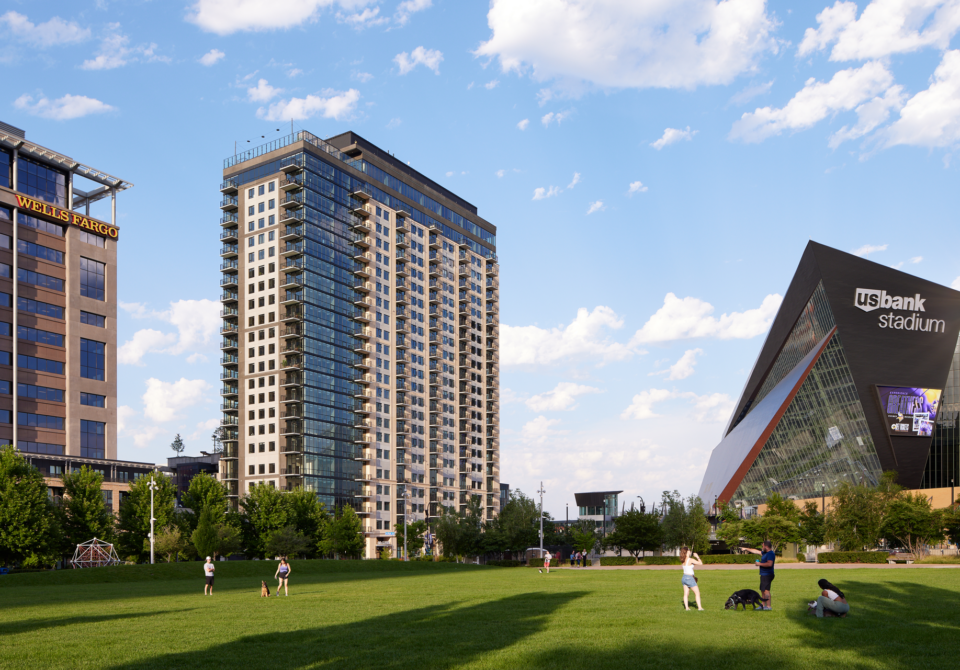
Our interior design team’s initial mood board for Vyne on Haven set the project’s visual tone, establishing the sophisticated palette of earthy textures, dark metals, and warm lighting that would define the resident experience. - Translate: With the brand’s mood and core characteristics defined, the project’s name, core narrative, and visual language (logos, color palettes, and key graphic elements) are crafted to ensure the final product is precisely aligned to its target market.
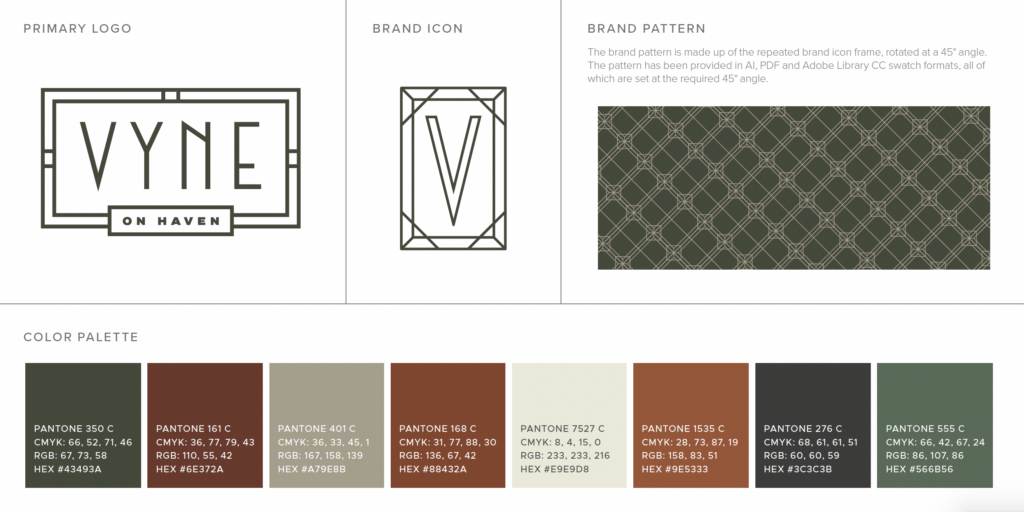
- Apply: Weaving the brand’s key elements throughout every physical space—from the lobby and signage to the amenity areas—to establish a sense of consistency and trust.
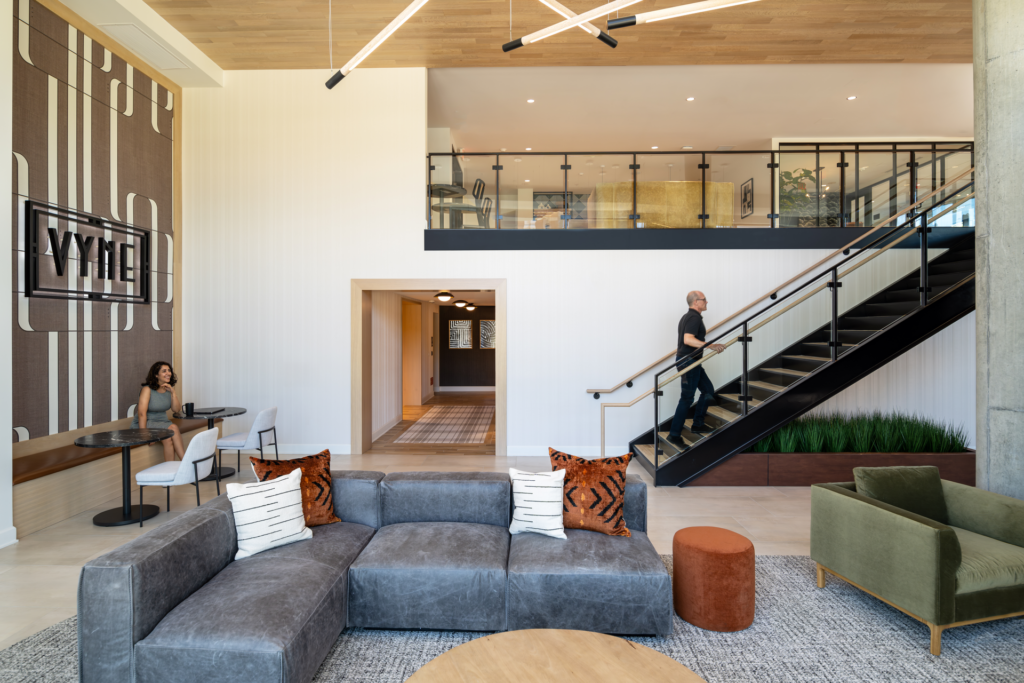
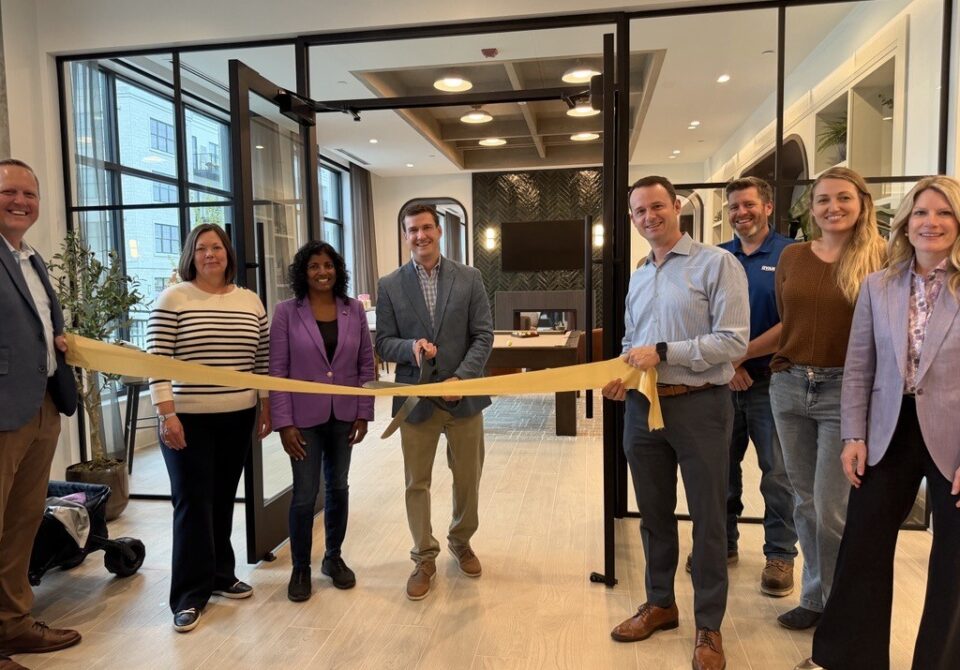
The completed physical space at Vyne on Haven demonstrates the final results of this collaboration, with the brand’s key elements woven throughout the building from the entry signage to the lobby and amenity spaces.
Unified design can help create a strong sense of community, which becomes a financial advantage. It contributes to lower turnover, reduced marketing costs, and more predictable occupancy, demonstrating that investments in resident experience can deliver meaningful long-term returns.
3. It Lowers Future Investment and Operating Costs
Strategic design decisions extend well beyond opening day. Prioritizing durable materials, energy-efficient systems and sustainable building practices helps reduce maintenance needs, improve operating efficiency and lower lifecycle costs.
These upfront investments create lasting value by minimizing future capital expenditures while supporting a more efficient, resilient property. Over time, thoughtful infrastructure decisions help owners protect their investment and improve overall asset performance.
Ultimately, strategic design isn’t simply an aesthetic decision—it’s a long-term business strategy. By aligning timeless architecture and design, intentional resident experiences and sustainable systems, multifamily developments can differentiate themselves in a crowded market while delivering stronger financial performance over the life of the asset.