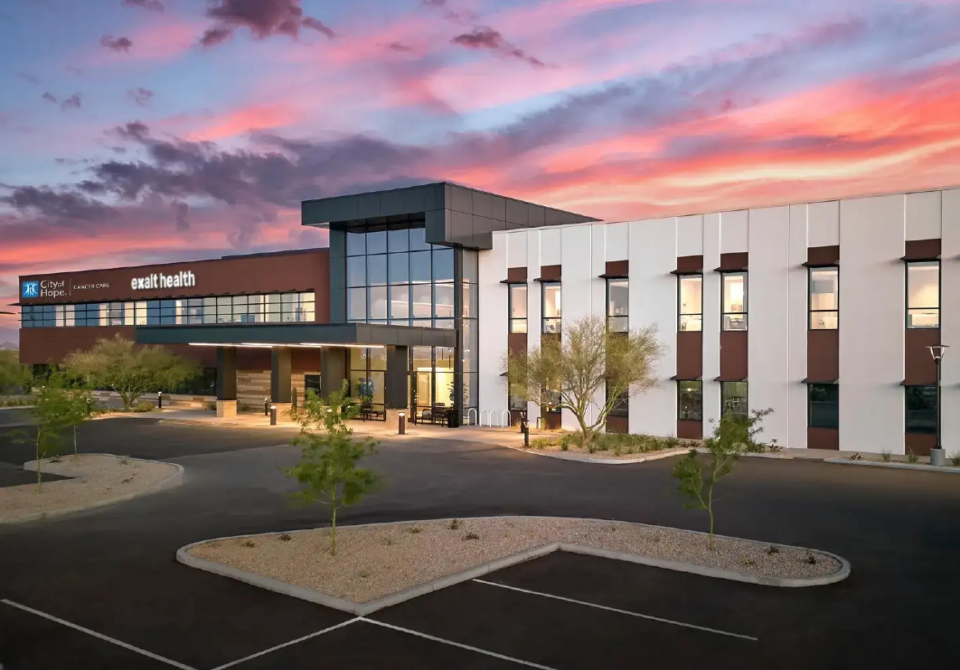
With the market for outpatient and ambulatory healthcare facilities continuing to expand and the demand for certain retail spaces declining, retail-to-healthcare conversions have gained momentum as a potential solution. But when does converting an existing retail space create real value, and when can it introduce more challenges than it solves?
A well-executed conversion can accelerate speed to market, reduce upfront costs and bring new life to underutilized properties. But at the same time, not every retail building is a strong candidate for healthcare use.
While converting a vacant retail shell can often get a facility operational in a fraction of the time required for ground-up construction, success depends on much more than location and availability. Zoning, parking, infrastructure, operational requirements and long-term costs all play a role in determining whether a conversion is the right fit.
Here are five factors to consider when evaluating whether converting a retail space into a healthcare facility makes strategic and financial sense.
1. Speed to Market and Cost Efficiency
One of the biggest advantages of a retail-to-healthcare conversion is speed. Renovating an existing building can significantly shorten the timeline to first patient day compared with ground-up construction, helping expand access to care sooner while reducing project carrying costs.
That accelerated timeline can also create financial flexibility. Resources that might otherwise be tied up in a prolonged development schedule can instead be directed toward staffing, technology, equipment and patient experience improvements.
However, these advantages are most meaningful when the existing building can support healthcare operations without extensive modifications. The more upgrades required, the more the cost and schedule benefits begin to shrink.
2. Location and Site Viability
Retail locations often offer strong visibility, established traffic patterns and convenient access within the community—all characteristics that can support outpatient healthcare services.
But visibility alone doesn’t determine whether a site is viable. Early evaluation should include ADA-compliant drop-off areas, parking capacity, pedestrian circulation and overall accessibility for patients, visitors and staff. A location that appears attractive from a real estate perspective may present operational challenges once patient flow and day-to-day care delivery are considered.
We’ve found that the most successful conversions are supported by sites that make the patient experience easy from arrival to departure. If access, parking or circulation create friction, the benefits of the location can quickly be overshadowed.
3. Zoning and Regulatory Feasibility
Before moving forward with a conversion, it’s critical to confirm that local zoning regulations permit healthcare operations within the retail corridor. While this may seem straightforward, zoning requirements and approval processes can vary significantly by municipality.
Occupancy classification should also be evaluated early. Transitioning a building from retail to medical use often triggers additional life-safety, accessibility and code requirements that can influence both project budget and timeline.
Understanding these requirements upfront can help avoid unexpected delays and provide a clearer picture of what the project will ultimately require.
4. Building and Infrastructure Compatibility
One of the first things we can help evaluate is whether a building’s existing infrastructure can realistically support healthcare operations.
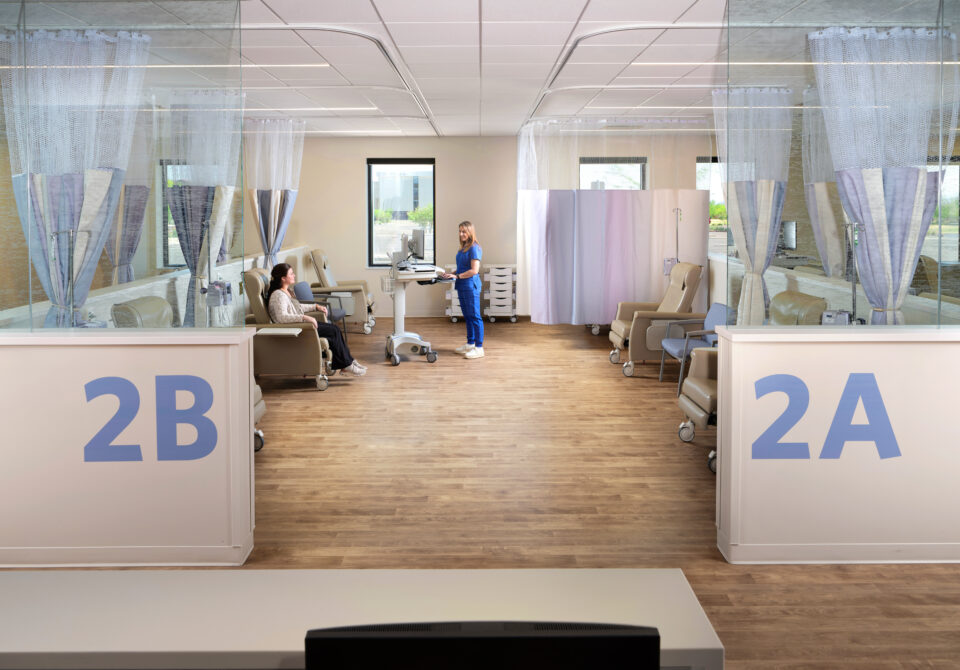
Healthcare environments require more complex mechanical, electrical and plumbing systems than traditional retail spaces. Enhanced HVAC systems for humidity control, heavy-duty electrical grids capable of supporting emergency power and expanded plumbing infrastructure are often necessary to support patient care environments and require extensive slab work.
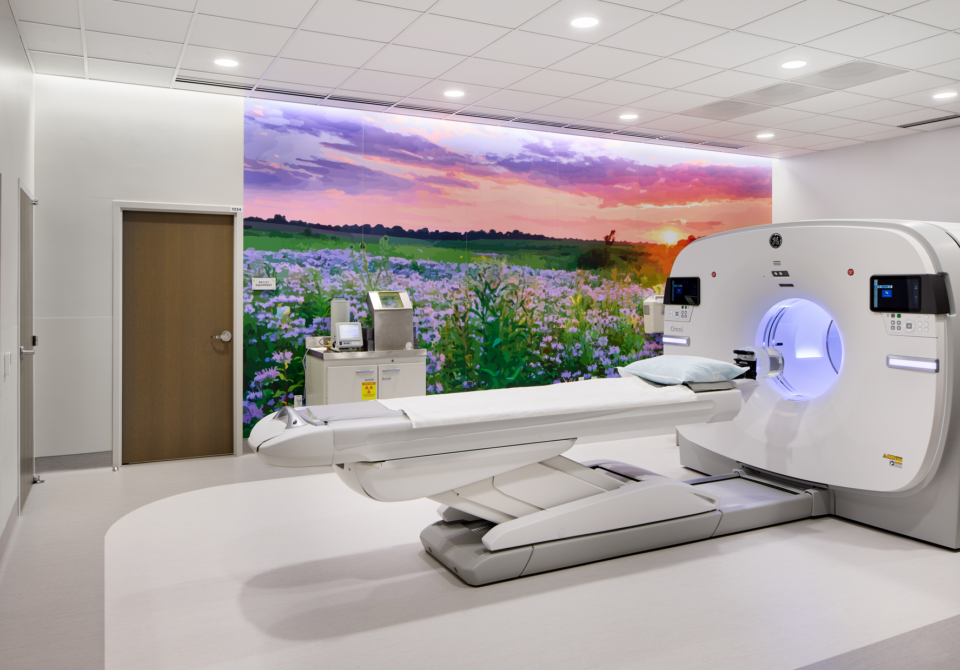
While the large floor plates and generous ceiling heights common in retail buildings can be an advantage, they may also require structural reinforcement, acoustic improvements or specialized modifications to accommodate imaging equipment and other clinical functions. From reinforcing floors to withstand the immense weight of an MRI to installing specialized shielding, these technical modifications are essential to ensure the structure meets modern medical standards.
A thorough assessment of existing conditions can help determine whether the property offers a practical path to healthcare occupancy, or whether the required upgrades outweigh the benefits of conversion.
5. Risk, Unknowns and Long-Term Tradeoffs
As with many renovation projects, undocumented existing conditions or hazardous materials often remain hidden until demolition is well underway. Deterioration may only surface once the building is stripped back, potentially leading to unanticipated costs that can quickly throw a wrench in a project’s budget.
It’s also important to look beyond initial project costs. While leveraging existing infrastructure can reduce upfront capital expenditures, older systems may result in increased maintenance costs, shorter replacement cycles and reduced flexibility over time.
In some cases, the extent of required upgrades can erode many of the advantages that made a conversion appealing in the first place. When that happens, ground-up development may ultimately provide greater long-term value.
Taking a Holistic Approach
Retail-to-healthcare conversions can be highly effective for speed-to-market and cost efficiency when conditions are right. They often make the most sense when speed to market is a priority and the existing building already provides the location, access, parking and infrastructure needed to support healthcare operations.
At the same time, a retail conversion isn’t the right fit for every project. Significant infrastructure upgrades, regulatory hurdles or long-term operational constraints can quickly change the equation.
The most successful projects start with a clear understanding of what the facility needs to accomplish and whether the existing building can realistically support those goals. By evaluating site conditions, infrastructure requirements and long-term operational needs early in the process, it becomes easier to determine whether a retail-to-healthcare conversion is the right solution—or whether another approach will better support the delivery of care.
Collaborating with an experienced partner who understands the interplay among operations, planning, design, construction, market dynamics, and financial implications will yield powerful results in the outpatient space.