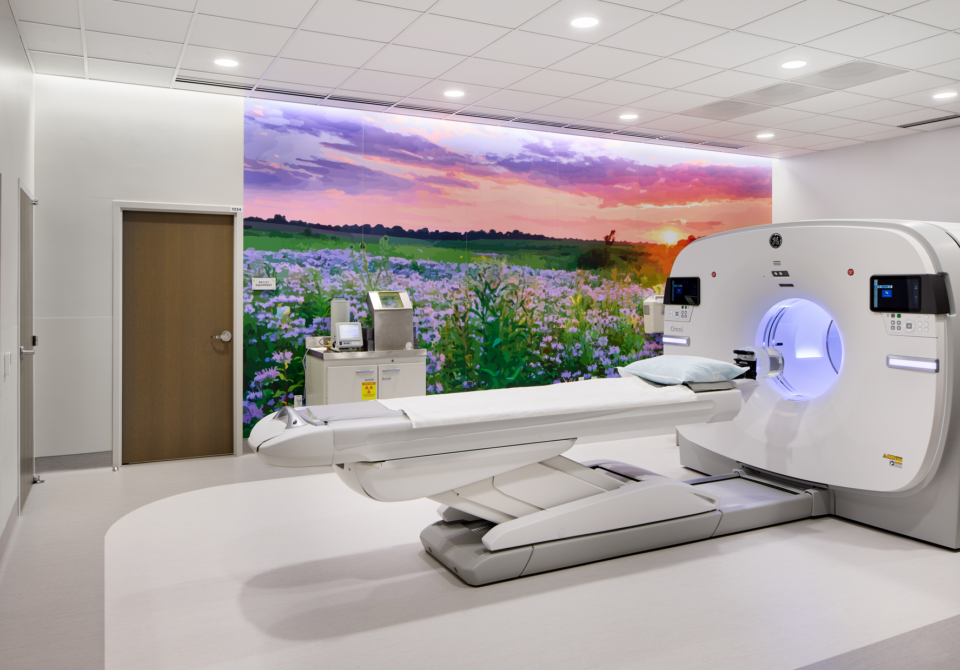
In the world of healthcare real estate, property and facility management isn’t just about keeping the lights on and the HVAC running. It’s about maintaining environments where patient outcomes, staff efficiency, and regulatory compliance intersect. Every. Single. Day.
That’s why not all property management is created equal, and why choosing the right partner matters more than ever in the healthcare space.
Why Healthcare Property Management Is Hard to Define
Unlike traditional commercial real estate, healthcare properties vary widely in use, complexity, and risk. From outpatient clinics and MOBs (medical office buildings) to full-service hospitals, each type of facility comes with a unique blend of operational, clinical, and regulatory considerations.
Defining healthcare property management isn’t just about tasks; it’s about objectives. For a health system, the goal might be optimizing patient throughput or ensuring Joint Commission readiness. For an investor or REIT, it may focus on NOI and tenant retention. These differences demand a tailored approach to scope, staffing, and service delivery—not a one-size-fits-all model.
The Importance of Choosing the Right Property Management Partner
In healthcare, the stakes are higher and the tolerance for error is lower. Selecting a management partner who understands the nuances of healthcare operations—infection control protocols, HIPAA considerations, specialized mechanical systems, and the 24/7/365 nature of clinical care—is essential.
The right property management team doesn’t just maintain space; they support healing environments. They speak the language of both real estate and healthcare, ensuring facility uptime, minimizing disruptions to care, and aligning closely with clinical leadership. Poor property management can lead to facility failures, patient dissatisfaction, and even regulatory penalties.
The Hidden Costs of In-House Property Management
While some healthcare organizations attempt to manage facilities internally, this often comes with hidden (and significant) costs:
- Compliance Risk: Healthcare facilities are subject to rigorous codes and standards (NFPA, CMS, OSHA, etc.). Missing a detail can mean costly citations or lost reimbursements.
- Deferred Maintenance: Without strategic capital planning, systems may degrade over time, affecting safety and increasing long-term costs.
- Operational Inefficiencies: Non-specialized staff may lack the expertise to manage complex MEP systems or understand the clinical impact of facility downtime.
- Disruption to Patient Care: Unplanned outages or poorly coordinated maintenance can delay procedures, impact outcomes, and damage your reputation.
The reality is: subpar management can directly affect both financial performance and clinical operations.
Let Healthcare Teams Focus on Care
Your clinical staff and leadership teams should be focused on patient care: not facility emergencies, vendor disputes or HVAC issues.
When healthcare property management is done right, it often goes unnoticed. Property management teams, like ours, operate quietly in the background, enabling frontline teams to perform at their best without distraction.
A specialized property management partner helps reduce noise, streamline communication, and proactively manage both day-to-day operations and long-term strategic goals, all while ensuring compliance, patient safety, and cost control.
Why This Matters
Healthcare facilities are not just buildings. They are care delivery platforms. Managing them requires more than generalist experience; it demands deep operational insight, industry-specific expertise, and a relentless commitment to compliance and care continuity.
No, not all property management is the same, especially in healthcare. And choosing the right partner can make all the difference in protecting your asset, your patients and your mission.